




Solar Farms and Large-Scale Renewable Energy
See how solar farms can help commercial clients, landowners and organisations explore the potential of large-scale renewable energy from suitable available land.
Solar Farm Development for Suitable Land and Commercial Sites
Solar farms are an effective way to generate large-scale renewable energy from available land.
Positive Energy Solutions works with commercial clients, landowners and organisations who are exploring the potential of solar farm development. Every site is different, which is why we take a tailored approach from the beginning.
We consider land access, grid connection potential, energy goals and long-term commercial viability before recommending the right solution.
Land and Site Review
The first step is understanding the land, access, surrounding area and practical suitability of the site.
Grid and Energy Goals
A solar farm project needs to be considered alongside grid connection potential, generation goals and intended use.
Concept to Completion
Positive Energy Solutions can help guide you through the early stages of planning, design and delivery.
Create Long-Term Value From Suitable Land
Solar farms can help generate clean electricity, support sustainability targets and create long-term value from suitable land.
A successful solar farm project is not just about installing panels in a field. It requires careful consideration of the land, access, grid connection, commercial goals, project viability and long-term operation.
Large-Scale Renewable Energy
Generate clean electricity at scale from suitable available land.
Support Sustainability Targets
Help organisations move towards renewable energy and lower-carbon operations.
Landowner Opportunity
Explore whether suitable land could become a long-term renewable energy asset.
Commercial Viability
Review the practical and commercial potential before moving forward.
Tailored Site Advice
Every site is different, so every recommendation should be built around the land.
End-to-End Support
From concept to completion, get practical guidance from experienced solar professionals.
Who Are Solar Farms Suitable For?
Solar farms may be suitable for commercial clients, landowners and organisations with land that could support large-scale renewable energy generation.
Designed Around the Land
A solar farm project should be shaped around the specific site, including land access, layout, grid connection potential, planning considerations and project goals.
Honest Early-Stage Advice
Positive Energy Solutions can help you understand whether a site is worth exploring further before committing to the next stage of planning and design.
Early-Stage Solar Farm Guidance
Every solar farm project starts with understanding whether the site has genuine potential.
We look at land access, grid connection potential, site layout, energy goals, commercial viability and any obvious constraints before recommending the most practical next step.
This early-stage advice can help landowners, organisations and commercial clients decide whether solar farm development is worth exploring in more detail.
What We Consider
A solar farm needs more than open land. The project needs to be practical, viable and designed around long-term goals.
Our Solar Farm Development Process
From concept to completion, we provide honest advice, professional support and renewable energy solutions built around your needs.
Solar farm projects can be complex, so the process starts with a clear understanding of the site, the opportunity and the practical route forward.
Initial Conversation
We discuss the land, your goals, the type of project you are considering and what you want to achieve.
Site and Land Review
We consider land access, site layout, surrounding constraints and early suitability factors.
Grid and Viability Review
We look at grid connection potential, energy goals and whether the project appears commercially viable.
Practical Recommendation
We explain the most suitable next step and whether the project is worth developing further.
Planning and Design Support
Where suitable, we can help guide the project through design, planning considerations and delivery stages.
Delivery and Support
From concept to completion, we provide professional support and renewable energy expertise.
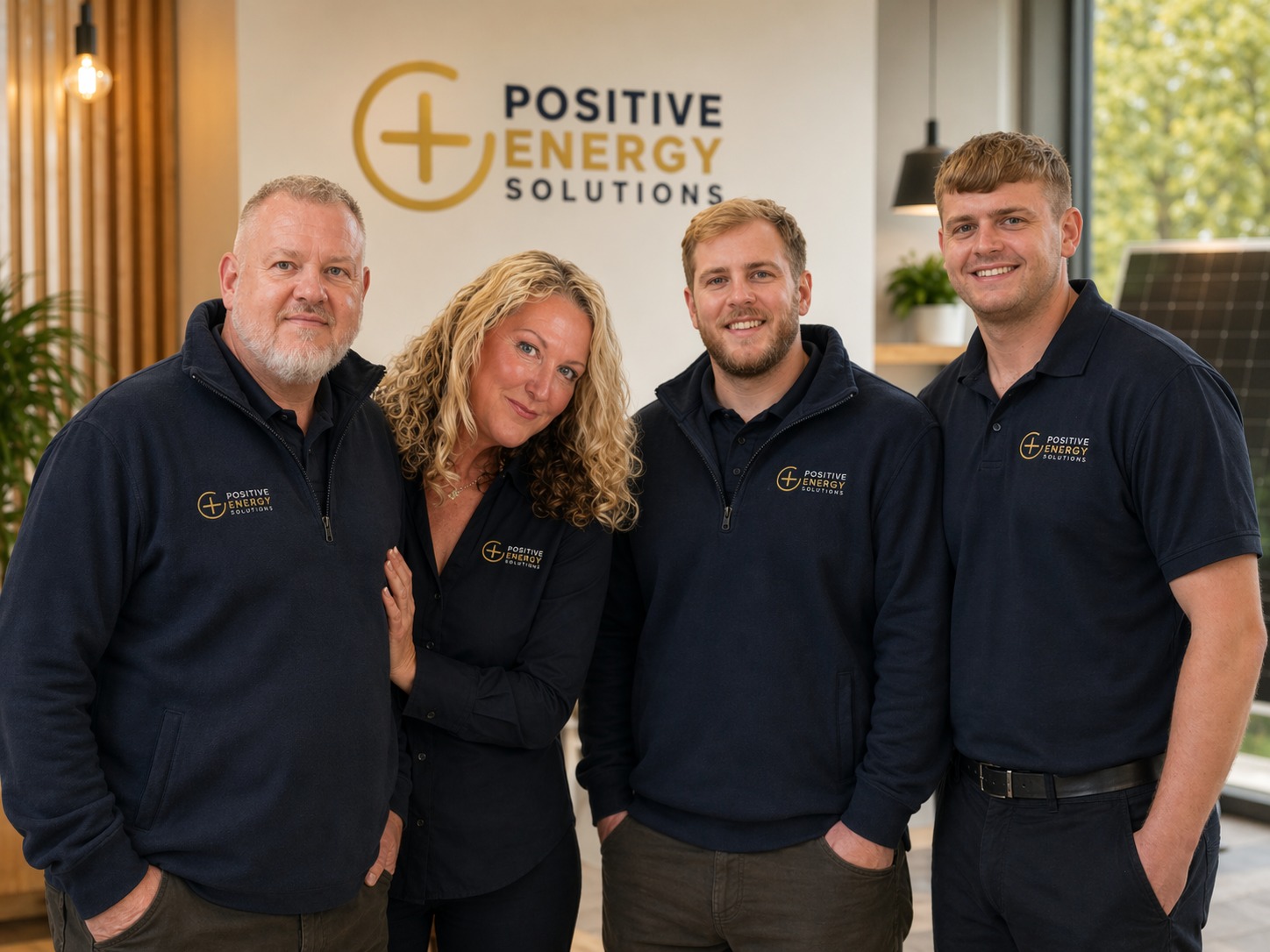
A Solar Farm Team You Can Speak To
Solar farm development needs practical advice, not a one-size-fits-all answer.
With over 10 years of experience in the solar and renewable energy sector, Positive Energy Solutions can help guide commercial clients, landowners and organisations through the early stages of planning, design and delivery.
We are a family-run renewable energy company based in Derbyshire, working with commercial and industrial customers across the UK.
Frequently Asked Questions
What is a solar farm?
A solar farm is a large-scale solar energy installation, usually built on suitable land, designed to generate clean electricity at a larger scale than a typical rooftop solar panel system.
Who are solar farms suitable for?
Solar farms may be suitable for landowners, farmers, commercial landowners, estates, organisations and commercial clients with suitable available land and a viable route to grid connection.
What do you consider before recommending a solar farm?
We consider land access, site layout, grid connection potential, energy goals, planning considerations and long-term commercial viability before recommending the right solution.
Can solar farms support sustainability targets?
Yes. Solar farms can help generate clean electricity at scale and support sustainability, renewable energy and lower-carbon energy goals.
Do solar farms require planning and feasibility work?
Yes. Solar farm projects normally require careful feasibility, grid, planning and design consideration before they can move forward.
Can Positive Energy Solutions help from concept to completion?
Yes. Positive Energy Solutions can help guide suitable solar farm projects through early-stage planning, design and delivery support.
Explore the Potential of Solar Farms on Suitable Land
If you are a landowner, commercial client or organisation exploring solar farm development, speak to Positive Energy Solutions. We can help you understand the early-stage potential, practical considerations and next steps for your site.